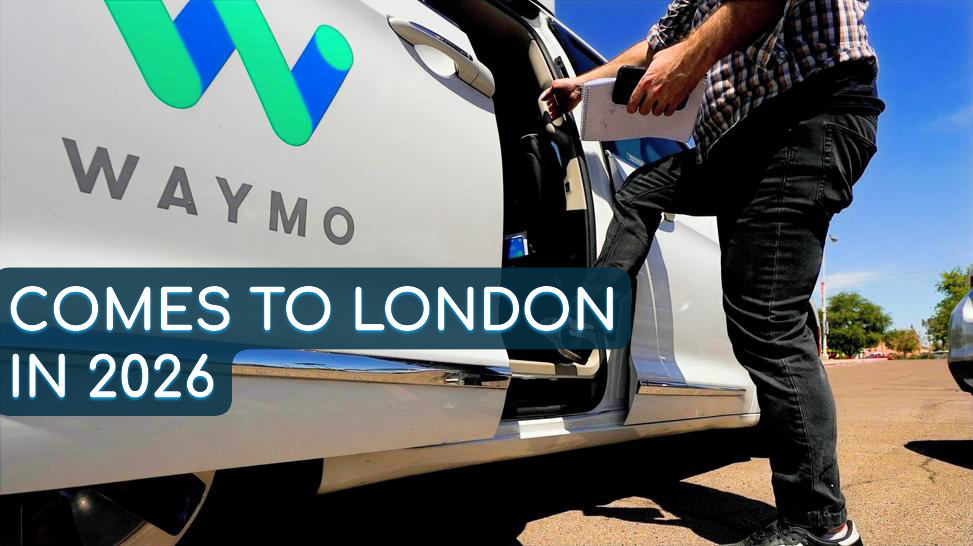
London’s transport network is about to take a major leap into the future. By 2026, fully driverless taxis are expected to hit the city’s streets, offering passengers a glimpse of what the next generation of urban mobility looks like.
The project is being led by Waymo, the autonomous vehicle company owned by Google’s parent firm, Alphabet. After years of testing in American cities like San Francisco and Phoenix, Waymo plans to bring its self-driving taxi service to the UK capital, one of the busiest and most challenging driving environments in the world.
When Will It Happen?
Waymo’s rollout will begin in stages. In late 2025, the company plans to start testing its vehicles on London roads with human safety drivers behind the wheel. These early trials will help gather data and ensure the cars can handle the city’s dense traffic, narrow lanes, and unpredictable road users.
If the tests are successful and regulators are satisfied with safety standards, fully autonomous rides could begin for paying customers in 2026. Transport for London (TfL) and the UK government will oversee the approval process under the new Automated Vehicles Act 2024, which sets strict criteria for the use of driverless vehicles.
By 2027, this legislation is expected to be fully implemented across the country, allowing more widespread deployment of autonomous taxis in other UK cities.
How Waymo’s Driverless Taxis Will Work
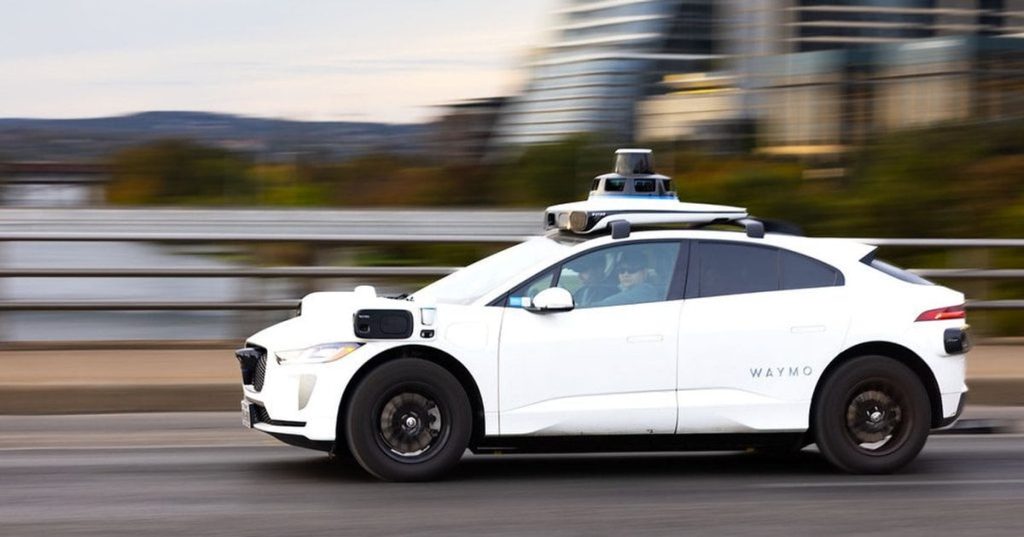
The vehicles that Waymo plans to use in London are all-electric Jaguar I-Pace SUVs, equipped with advanced sensors, cameras, radar and LiDAR systems. These allow the car’s artificial intelligence to detect objects, read road signs, and respond to hazards faster than a human driver.
Waymo will operate its taxis through a mobile app, similar to Uber or Bolt, where passengers can request a ride and be picked up by a driverless vehicle. The company is partnering with Moove, a UK-based mobility firm, to manage fleet maintenance, charging, and operations.
Why London?
London’s dense layout, heavy traffic, and complex road network make it one of the most difficult places in the world to drive — and that’s exactly why it’s an attractive testing ground for autonomous technology. If a driverless system can safely navigate the capital’s roads, it can likely handle almost any other environment.
The UK government has been vocal about its ambition to lead in transport innovation. Officials hope that autonomous vehicles will not only improve safety and accessibility but also create jobs and boost the economy through new technology and research opportunities.
Benefits of Driverless Taxis
The potential advantages are significant. Safety is the most obvious: autonomous cars are designed to avoid the human errors that cause most accidents, such as distraction or fatigue.
There’s also accessibility. People who cannot drive — including those with disabilities or visual impairments — could gain new independence with on-demand driverless transport.
Waymo’s fleet will also be fully electric, meaning quieter and cleaner streets. And on a broader scale, the technology could help reduce congestion through more efficient routing and fewer unnecessary trips.
Economically, the growth of autonomous mobility could open up new sectors in AI development, vehicle maintenance, and fleet logistics, generating thousands of new jobs.
Challenges and Concerns
Despite the promise, the road to autonomy won’t be without challenges. Some London taxi drivers and unions have already voiced concerns about potential job losses. Others question whether AI can truly handle the city’s chaotic mix of cyclists, pedestrians, buses, and delivery vans.
Public trust is another major hurdle. Many people remain hesitant to ride in a car without a human driver, especially after a handful of high-profile incidents involving autonomous vehicles in other countries.
Regulators will also face tough questions about liability. If a driverless taxi is involved in an accident, who takes responsibility — the carmaker, the software developer, or the operator?
What This Means for Londoners
Over the next year, Londoners will likely start seeing Waymo vehicles driving around with a person behind the wheel monitoring performance. By 2026, some areas of the city could have fully driverless taxis available through a booking app.
In the years that follow, the technology could become part of the city’s everyday life, operating alongside traditional black cabs, buses, and trains. If successful, it could mark one of the most significant transformations in urban transport since the introduction of the Underground.
The Road Ahead
Whether welcomed with excitement or scepticism, driverless taxis are coming. Their success will depend on safety, regulation, and public acceptance. But one thing is clear — London is once again at the forefront of transport innovation.
From the world’s first underground railway to the arrival of autonomous taxis, the city continues to lead the way in how people move. The next time you hail a ride in London, you might find no one sitting in the driver’s seat — and that could be the new normal.


Leave a Comment